How to Choose the Right Wood Fence Panels for Your Garden
Choosing the right wood fence panels can make a significant difference to the appearance, privacy and security of your garden. A well-chosen fence complements your outdoor space while providing a practical boundary that can withstand everyday use and changing weather conditions.
For homeowners in March, Cambridge, it is worth considering how different fencing styles, timber types and panel designs will suit the garden before making a decision. Fast Fix Fencing March can help you find a fencing solution that meets your property’s needs and provides a neat, durable finish.
1. Consider the Purpose of Your Garden Fence
Before choosing wood fence panels, think about what you want your new fence to achieve. Different gardens have different requirements, and identifying your priorities will help narrow down the available options.
If privacy is your main concern, close-boarded or solid fence panels can help screen your garden from neighbouring properties and create a more secluded outdoor space. For decorative boundaries, lighter designs may be more suitable, particularly where maintaining an open and welcoming appearance is important.
A garden fence can also help define boundaries, provide a backdrop for planting and make outdoor areas feel more organised. Choosing panels based on their intended purpose will help ensure the finished installation is both attractive and practical.
2. Choose a Fence Panel Style That Suits Your Garden
Wooden fence panels are available in several designs, each offering different visual and practical benefits.
Close-Boarded Fence Panels
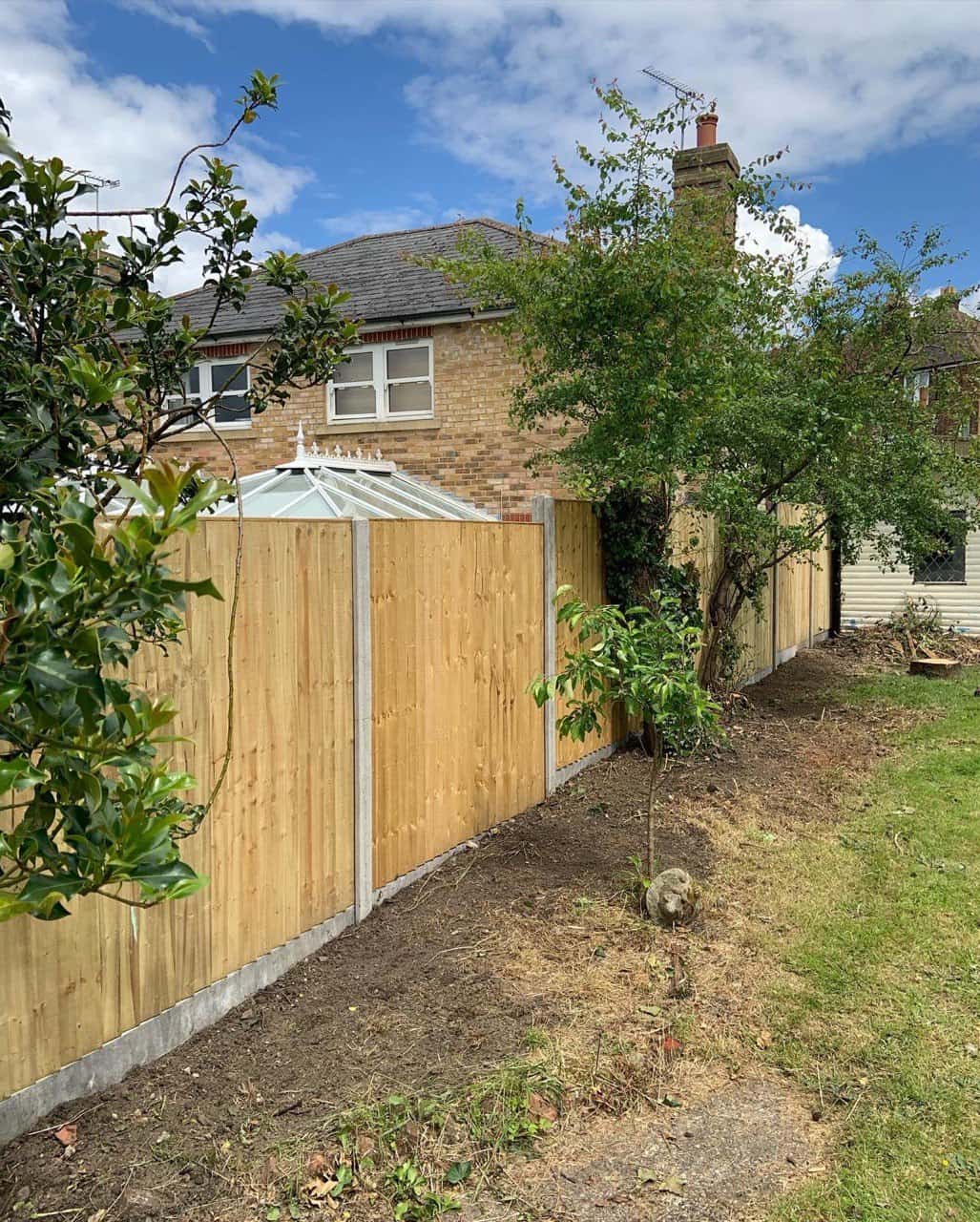
Close-boarded panels feature overlapping vertical boards that create a solid, sturdy barrier. They are a popular option for homeowners who want greater privacy and a traditional appearance. Their robust construction makes them suitable for many residential garden boundaries.
Lap Fence Panels
Lap panels are made from horizontal boards that overlap across a supporting frame. They provide a familiar, straightforward garden fencing style and can work well in a variety of outdoor settings. The quality of the frame and boards is important when considering their long-term performance.
Decorative Fence Panels
Decorative timber panels can add character to a garden while helping to define its boundaries. Depending on the design, they may allow more light through and create a less enclosed feel. These panels can be particularly suitable for gardens where appearance is just as important as separation.
When comparing styles, consider how the fence will look alongside your home’s exterior, garden features and existing landscaping.
3. Select Timber That Can Withstand Outdoor Conditions
Wood fence panels are exposed to rain, sunlight, temperature changes and moisture in the ground. Selecting suitable timber and checking how it has been treated can help improve durability.
Pressure-treated timber is commonly used for outdoor fencing because the treatment helps protect the wood against decay and fungal damage. However, treatment alone does not make a fence maintenance-free. The quality of the timber, how the panels are installed and the conditions around the fence all influence how well it performs over time.
For gardens in March, Cambridge, consider how exposed the boundary is to wind and rain, as well as whether the ground tends to retain moisture. A suitable fencing choice should balance appearance with the demands of its outdoor setting.
4. Think About Fence Height and Privacy
Fence height affects both the practical function and overall appearance of your garden. Taller panels can provide greater privacy, while lower fencing may be sufficient for marking a boundary without making the space feel enclosed.
Consider where privacy is most important, such as around a patio, seating area or garden overlooked by neighbouring windows. You may not need the same height along every section of the boundary.
The layout of your garden should also influence your decision. Uneven ground, changes in level and existing structures can affect how panels are fitted and how consistent the finished fence looks. A professional assessment can help identify these details before installation begins.
5. Check the Strength of the Panels and Supporting Posts
The durability of a wooden fence depends on more than the panels themselves. Posts, fixings and installation methods all contribute to the stability of the finished structure.
Look for panels with a sound frame and securely fitted boards. The supporting posts should be appropriate for the fence design and ground conditions, while suitable fixings help keep the panels firmly in place.
Wind exposure is another important consideration. Solid panels can catch the wind, placing additional pressure on posts and fixings. Proper installation and secure supports are therefore essential, particularly along exposed garden boundaries.
If an existing fence has repeatedly become loose or damaged, it may be worth assessing the condition of the posts and foundations rather than replacing the panels alone.
6. Consider Maintenance and Long-Term Appearance
Wood fencing can retain its appearance for years with appropriate care. Regularly checking for loose boards, damaged fixings, signs of rot and leaning posts can help identify problems before they become more serious.
Keeping vegetation from pressing against the fence and avoiding prolonged contact between timber and damp soil can also support its condition. Depending on the type of timber and its existing treatment, a suitable protective finish may help maintain its appearance.
When choosing panels, consider how much maintenance you are comfortable carrying out. A simple, practical design may be preferable if you want fencing that is easy to inspect and maintain.
7. Get Professional Advice Before Installation
Selecting the right fence panels is only part of the process. Accurate measurements, suitable post positioning and careful installation all contribute to a fence that looks consistent and remains stable.
Fast Fix Fencing March can help homeowners in March, Cambridge, assess their garden fencing requirements and choose panels suited to their preferred appearance, privacy needs and boundary conditions. Professional guidance can also help identify potential installation challenges, including uneven ground and the condition of existing posts.
Whether you are replacing worn fencing or planning a new garden boundary, considering these details beforehand can help you achieve a more satisfactory result.
Conclusion
Choosing the right wood fence panels for your garden involves balancing privacy, appearance, timber quality, durability and maintenance. By considering how your garden is used and the conditions your fence will face, you can select a design that complements your property and serves a practical purpose.
For advice on choosing and installing wooden fence panels, contact Fast Fix Fencing March. The team can help you explore suitable options for your garden in March, Cambridge, and arrange a fencing service tailored to your requirements.
Call us on: 01354 707 492
Click here to find out more about Fast Fix Fencing March
Click here to complete our contact form and see how we can help with your fencing needs.